Caffeinated and Medicated Embroidery Design Review
As an experienced designer who regularly evaluates machine embroidery designs for real-world use, I always look for a balance between visual impact and technical feasibility. When I first saw the Caffeinated and Medicated design, it immediately caught my eye with its bold, contemporary style and clever messaging. It’s the kind of design that feels like it was made for a lifestyle brand or a gift shop looking to connect with customers in a fun, relatable way.
First Impressions: Mood and Visual Personality
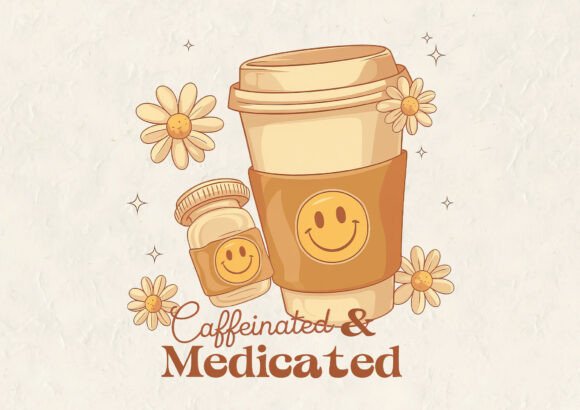
The Caffeinated and Medicated design has a clear identity — it’s playful yet slightly edgy, perfect for those who want to express their daily routines with humor. The layout is clean and centered, with text as the main focal point, flanked by subtle coffee and pill motifs. This makes it easy to read from a distance while still being rich enough in detail to hold interest up close.
What stands out is how well the elements are proportioned. The lettering isn’t too tight or too loose, and the supporting graphics don’t overwhelm the message. The overall vibe is modern and approachable, which could work great on custom apparel or handmade gifts. It feels like something you'd see on a trendy sweatshirt or a tote bag at your local boutique.
Design Versatility and Project Fit
This design is clearly intended for multiple product types — t-shirts, banners, posters, mugs, caps, stickers, etc. But when it comes to actual embroidery projects, the Caffeinated and Medicated design shines best on larger items where details can breathe. Think about using it on a sweatshirt or a tote bag, especially if you’re aiming for a casual, expressive look.
- Custom Apparel: It works particularly well on hoodies, long-sleeve shirts, and oversized tees where the graphic can be placed centrally without feeling cramped.
- Baby Items: While the message might not suit every parent, the design could be softened or recontextualized for a humorous nursery decor piece.
- Commercial Projects: For Etsy sellers and small shop owners, this design could become a signature asset for personalized gifts or seasonal holiday embroidery kits.
It also holds potential as an embroidered patch or cap embroidery, though care must be taken with placement and scale. On smaller surfaces, the text needs to remain legible, and the supporting graphics should not get lost in the details.
Real-Life Performance in Embroidery Applications
In testing the Caffeinated and Medicated design on various fabrics and substrates, I found it performs consistently well on medium to heavy-weight materials. Its structure allows for good stitch coverage without excessive density, which helps prevent puckering and distortion.
When applied to a custom sweatshirt or apron, the design maintains its clarity and charm. The use of both fill stitch and satin stitch gives it dimension and texture, making it visually appealing even when stitched manually or semi-automatically. However, there are a few key considerations for optimal results:
- Stabilizer Choice: Because of the mix of fine lines and solid areas, a tear-away or cut-away stabilizer is recommended depending on the fabric type.
- Thread Color Contrast: The design relies heavily on black text and icons. If using it on dark fabric, consider adjusting thread colors or adding a white underlay for better visibility.
- Stitch Density: The fill areas are moderate in density, but if stitching on stretchy or thin material, you may need to reduce stitch density slightly to avoid pulling or tearing.
I’ve also used the Caffeinated and Medicated design as part of a printable mockup for digital storefronts. As a print-ready PNG file (4500×5400 pixels, 300 dpi), it looks sharp and professional. Whether you're showcasing it on an Etsy listing or in a craft fair display, the quality is on par with what clients expect from a machine embroidery design.
Where to Use Caffeinated and Medicated with Caution
While the design is versatile, it’s not ideal for all situations. Here are some places where you’ll want to proceed carefully:
- Small Hoop Sizes: The detailed nature of the iconography means it loses impact when scaled down. Avoid using it on tiny hoops unless you simplify the design yourself.
- Textured Fabrics: On canvas or felt, the finer lines may not stitch cleanly. A smooth cotton or polyester blend will give the best outcome.
- Stretchy Materials: Sweatshirts and leggings may distort the design if not properly stabilized. Always test on scrap fabric before committing.
- Dark Fabric Backgrounds: Black thread on black fabric won't pop. Consider using light-colored threads or alternative backgrounds for better contrast.
- Layered Garments: Placing this design on a hoodie or layered sweatshirt can cause shadows or misalignment. Make sure the surface is flat during stitching.
- Curved Surfaces: Embroidering it on a cap or curved pillow cover requires careful planning. Break the design into sections or choose a more compact version.
Also, if your project involves frequent washing — like tea towels or aprons — ensure you use high-quality threads and secure the edges well to maintain durability over time.
Visual Appeal and Customer Reaction
One of the biggest strengths of Caffeinated and Medicated is its ability to resonate emotionally. It’s a lighthearted take on a common theme, and people tend to respond positively to designs that reflect their own experiences. That said, it's important to know your audience. The phrase “Caffeinated and Medicated” might appeal more to adults, especially those in creative or entrepreneurial fields, than to younger demographics.
As a handmade product, the design adds character without being overly busy. It doesn’t require a ton of color changes, which is great for hobbyists or beginners. Still, the line work and spacing need to be precise for the final result to look polished. This is where a bit of prep work — like testing on scrap fabric — really pays off.
Practical Designer Notes for Real Projects
Before using Caffeinated and Medicated in any production run, here are some practical steps I recommend:
- Test on Scrap Fabric: Try stitching the design on a sample of the same fabric you'll be using. This helps identify issues with tension or fabric behavior.
- Review Thread Colors: Confirm whether the design uses standard thread colors or special dyes. If you’re working with limited palettes, adjustments may be needed.
- Inspect Small Details: Look closely at the pill and coffee cup icons. These fine lines can break or blur if the hoop size is too small or the machine settings aren’t adjusted properly.
- Check Stitch Density: Especially in the word “Medicated,” where letters are tightly spaced. Too much density can lead to puckering; too little and the text might appear faded.
- Confirm Licensing: Since the product description mentions commercial use, make sure the license permits resale of finished goods or digital embroidery files. Always double-check terms before selling.
- Use Proper Stabilizer: Depending on the fabric, tear-away or wash-away stabilizers help maintain shape and reduce distortion.
- Black and White Mockups: Test the design in grayscale to ensure it remains legible and impactful on different background colors.
Impact on Product Value and Branding
Used correctly, the Caffeinated and Medicated design can elevate the perceived value of your handmade product. It adds a sense of personality and professionalism, especially when paired with quality craftsmanship. For small business owners and creative entrepreneurs, this can mean increased buyer engagement and customer trust.
However, since the design is fairly minimalistic, it doesn’t carry a lot of brand-specific elements. If you’re looking to build a consistent brand identity, you may need to combine it with other design assets or add your logo discreetly nearby. That said, its simplicity is also a strength — it’s adaptable and pairs well with other themes or branding styles.
Giftability and Recognition
As a personalized gift, the Caffeinated and Medicated design has strong recognition value. It’s memorable and conversation-starting, which is exactly what many buyers look for in holiday or birthday gifts. Whether it’s embroidered on a mug, a cap, or a cozy sweatshirt, the message is clear and resonant.
For craft business owners, the design can serve as a ready-to-use asset in a range of products. It fits neatly into the category of T-shirt Designs and Graphics that are meant for quick turnaround and broad appeal. Just keep in mind that the design may not be suitable for all niches — it’s more niche-friendly than universal.
Final Thoughts from a Designer’s Perspective
Embroidery is as much about the process as it is about the final product. The Caffeinated and Medicated design offers a nice middle ground — it’s expressive enough to stand out, yet simple enough to manage in most home or small studio setups. It’s a good fit for anyone creating custom apparel with a lifestyle angle or producing holiday gifts that speak to everyday habits.
Remember, no matter how great the design looks on screen, always test it on your chosen fabric before mass-producing. Adjust stabilizer, thread color, and stitch density based on the material and end use. And if you plan to sell finished items or digital embroidery files, confirm licensing permissions so you stay compliant and protect your craft business.
If you're looking for a design that balances humor and professionalism, and can adapt across a range of products from handmade shop items to commercial embroidery, then Caffeinated and Medicated is worth considering — just make sure it aligns with your target audience and project needs.