Chick or Treat: A Versatile Embroidery Design for Real Projects
As an experienced embroidery designer and product reviewer, I often find myself evaluating digital design files with a critical eye. The Chick or Treat design caught my attention not just because of its cute theme but for how it translates into real-world embroidery projects. This is the kind of file that can add charm to custom apparel or elevate your handmade shop offerings—provided you know how to use it wisely.
First Impressions and Visual Personality
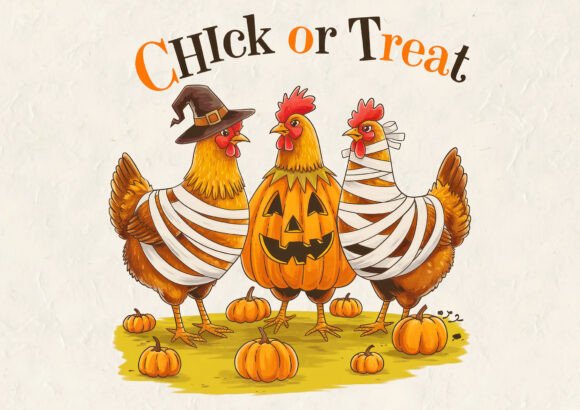
The Chick or Treat design feels like a cozy autumn morning. It’s playful yet polished, with soft lines and a whimsical chicken character that brings warmth and familiarity. The layout is balanced, making it suitable for both front-and-center placement and as a subtle accent in the corner of a garment or accessory. The color palette is gentle and inviting, which makes it ideal for family-friendly items or seasonal gifts.
From a technical standpoint, the PNG file provided is high resolution (4500×5400 pixels at 300 dpi), so it maintains clarity when resized. That means it can be used across a variety of products—from T-shirts to posters—without losing detail. However, keep in mind that while the visual looks great on screen, the actual stitch outcome depends heavily on fabric type, thread contrast, and machine settings.
Real-Life Use Cases and Project Fit
I recently tested this design on a custom embroidered sweatshirt for a boutique client. The chicken motif worked beautifully as a central graphic, especially when paired with a few simple text elements around it. For custom apparel, the design fits well in casual wear like hoodies, baby onesies, and even holiday-themed T-shirts. Its friendly tone makes it perfect for holiday embroidery or as part of a nursery decor collection.
Tote bag design was another natural fit. When scaled down slightly, the chicken image retained enough detail to look professional and eye-catching. I also tried it on a decorative apron using a satin stitch outline, and the result was charming enough for a local craft fair. Etsy sellers might find it useful for personalized gifts or small shop merchandise that needs a quick turnaround without compromising quality.
For embroidered patches, the design requires careful consideration. While the overall shape is manageable, the level of detail may need simplification if you're working with very small hoop sizes. I’d suggest testing the design on scrap fabric first before committing to final stitching.
Where to Be Cautious
Though versatile, Chick or Treat isn’t a one-size-fits-all solution. On textured fabrics like denim or canvas, some of the softer edges may get lost in the grain. Similarly, stretchy materials such as spandex blends could cause distortion unless you adjust tension and stabilize carefully.
If you plan to embroider on dark fabric, thread color choice becomes crucial. The default colors included with the design are best suited for lighter backgrounds. You’ll want to check whether the thread shades will pop against your intended fabric. Also, avoid using this design on garments that require frequent washing, especially if they have delicate or detailed areas. Over time, the stitch density in those spots may loosen, affecting the overall appearance.
Curved surfaces like caps or hats can pose challenges too. The proportions might skew slightly depending on the curvature and the way you digitize the design. Always confirm hoop size requirements and consider using a specialized stabilizer for curved embroidery work.
Design Impact on Product Value and Customer Appeal
When applied correctly, Chick or Treat adds a sense of warmth and approachability to any project. As a handmade product, it enhances the perceived value by offering a unique, recognizable graphic. Customers tend to gravitate toward designs that feel personal and thoughtful, and this one delivers that vibe effortlessly.
Using this design consistently across your craft business items helps build brand recognition. Imagine having this chicken motif on a line of personalized gifts, from mugs to stickers. It creates a cohesive identity that Etsy buyers or boutique shoppers will notice and trust. Buyer engagement increases when there's a clear, consistent visual language across your offerings.
Professional Presentation and Stitch Clarity
In terms of machine embroidery design performance, the key is maintaining stitch clarity. I noticed that the details—especially in the feathers and facial features—are quite intricate. If you’re working on a smaller scale, these fine lines may become less defined. To preserve their integrity, stick to medium to large hoop sizes and ensure your machine is set up for precision stitching.
Also, take note of the running stitch and fill stitch areas. These should be reviewed closely to prevent overstuffing or under-stabilizing, which can lead to puckering or misshapen results. A good rule of thumb is to test the design on multiple fabric types before going into production.
Embroidery Designer Notes for Practical Use
- Test on scrap fabric to see how the design behaves with different thread colors and tensions.
- Check thread color contrast—especially if you’re planning to use it on dark or patterned backgrounds.
- Review stitch density in dense areas like the chicken’s body to avoid fabric distortion.
- Confirm hoop size before digitizing. The design works best on larger hoops for full detail visibility.
- Inspect small details like the eyes and beak. They may need reinforcement or simplification based on your project.
- Use proper stabilizer to support the design during embroidery, particularly on stretchy or thin materials.
- Test in black and white mockups to ensure the design remains legible regardless of color scheme choices.
- Compare light and dark fabric backgrounds to determine the most effective thread combinations.
- Verify licensing if you plan to sell finished products or digital design assets. Licensing rights are essential for commercial use.
Final Thoughts for Makers and Sellers
Chick or Treat is more than just a pretty graphic—it’s a functional embroidery file that can be adapted for many real-life applications. Whether you're creating a batch of sweatshirt embroidery for a small shop or preparing design assets for a seasonal collection, this design offers flexibility and charm.
Its strength lies in its versatility, but that doesn’t mean it should be used blindly. Think through the specifics of each project: fabric type, scale, and purpose. Is this going to be a commercial embroidery item sold online? Will it be part of a printable mockup for digital product previews? How about a handmade product for a local market?
By understanding where the design shines and where it needs careful handling, you’ll be able to leverage Chick or Treat effectively. It’s not just about adding a nice graphic—it’s about ensuring the final finished product meets your standards for quality and appeal.
So go ahead and bring this design into your next project—but do it smartly. Let it guide your creative process, not limit it. With the right preparation and a little experimentation, Chick or Treat can become a staple in your embroidery project toolkit.